


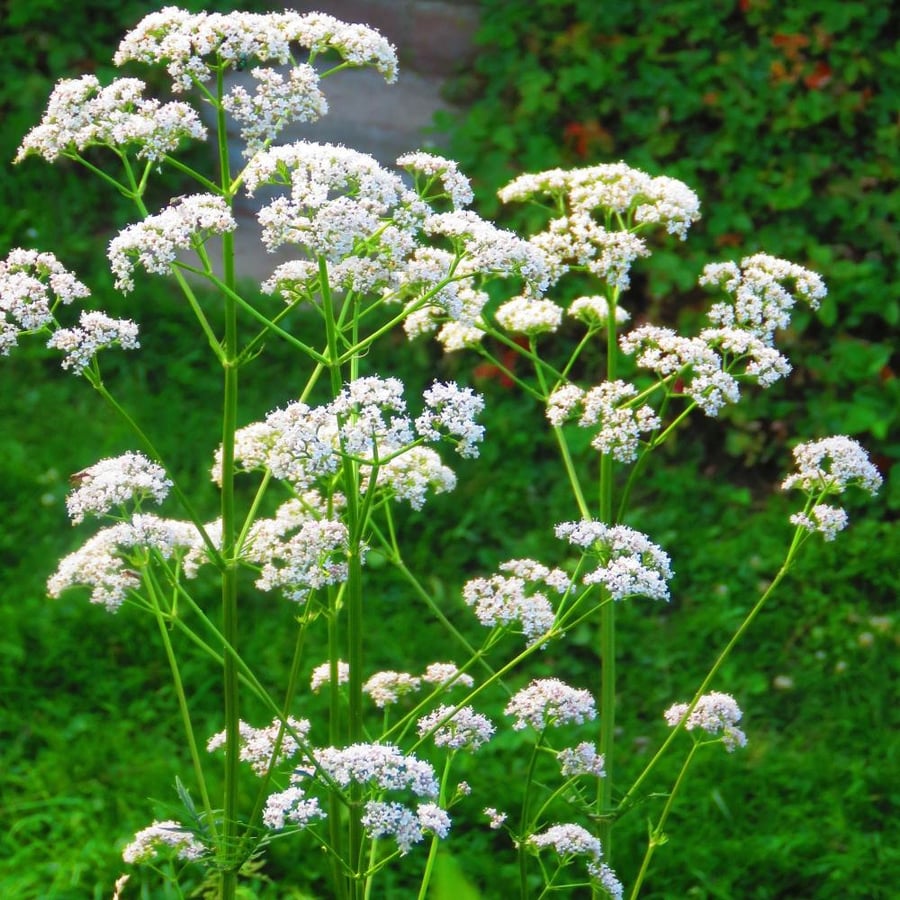
Anise plant seeds
5ر.س
Product description
Common name: Anise
Scientific name: Pimpinella anisum
Other names: Yenkon - Sweet cumin - Sweet seed
Anise is an herbaceous plant from the Apiaceae family, reaching about half a meter in height. Its stem is thin and ridged, from which long branches emerge bearing rounded, serrated leaves, and the ends of the branches bear flowers. The plant is annual, meaning it lives for one year.
• Anise plant flower: Its flowers are small, oval-shaped, pressed at the head, white in color, blooming in spring.
• Anise seed: Its seeds are small and brown.
• Anise plant germination season: Anise is cultivated by seeds in October and November, and it can also be cultivated year-round in agricultural greenhouses or enclosed or plastic places where temperature can be controlled, sunlight reaches, or adequate lighting is available for the plant.
• Suitable climate and soil for anise: Anise cultivation suits yellow, well-drained, fertile or moderately fertile soil. It also needs a moderate, cool climate and cannot tolerate high temperatures or drought. It is watered regularly.
• How to cultivate anise: It reproduces through seeds planted at a depth of 1 cm from the soil surface. It can also be fertilized with organic fertilizer at least once to accelerate growth and development.
• Its benefits and uses: Anise fruits are boiled and used as an antispasmodic and gas expellent. Anise oil is also used in cough and expectorant formulations due to its properties as a mucolytic or expectorant. It is used in cough mixtures, and anise oil is added to many medicines to improve their taste and aroma. Anise fruits contain essential oil, which exceeds 4%, and contain 20% protein, 30% fats, and 27% carbohydrates. The oil contains anethole, which is beneficial for cough.
• Native habitat of the anise plant: Its native region is the Mediterranean Basin.

From Buraydah
Questions you might have