Cassia glauca shrub seeds
8ر.س
Product description
Common name: Cassia Glauca
Scientific name: Cassia glauca
50 seeds.
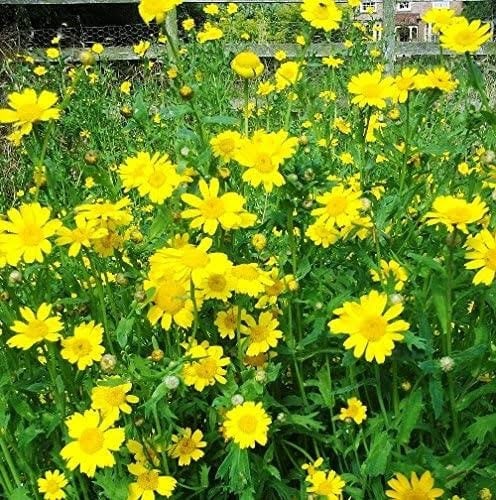
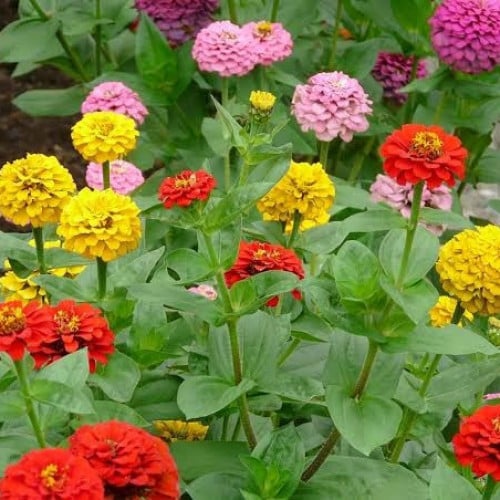
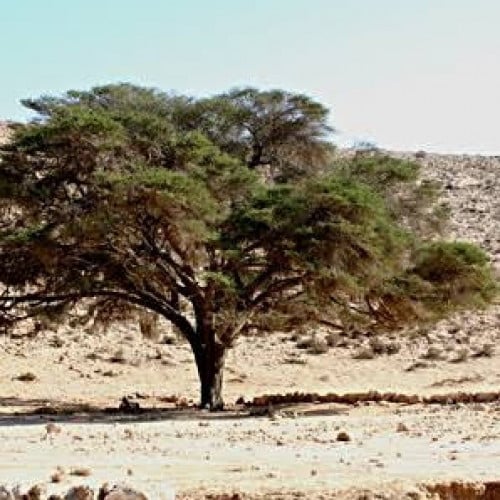
Cassia glauca tree from the leguminous family, native to tropical Asia, and northeastern Australia, and it is an evergreen ornamental tree, with beautiful bright yellow flowers, and fragrant smell, where butterflies are attracted to it, and it has oval leaves, green compound, evergreen, reaching a length of 35 cm, and the Cassia glauca tree grows quickly, reaching a height of 7 meters, and a width of 3 meters.
It is one of the best flowering trees planted in gardens and sidewalks, and it has many benefits; as it produces thick wood containing tannic acid used in leather industry, it also produces gum arabic, and it produces a substance used in dyeing clothes.
The best time to plant Cassia glauca is in spring and fall.
It propagates by seeds.
It is preferable to plant the seeds immediately after harvest.
Cassia glauca blooms throughout the year, with increased flowering in spring, summer, and fall.
It produces elongated pod-like fruits, after a short flowering period. The fruits are 7 to 10 cm long and 1 cm wide.
The fruits contain seeds inside, with each fruit holding from 15 to 25 seeds.
It grows ideally in desert areas and when exposed to full sunlight.
Cassia glauca does not tolerate frost, so it is not recommended to plant it in cold areas, although it can tolerate up to 3 degrees below zero.
It tolerates high temperatures up to 50 to 60 degrees Celsius.
All soil types are suitable for planting Cassia glauca.
It tolerates high salinity.
The outer shell of the seeds is hard, so soaking is necessary before planting.
Soak the seeds in lukewarm water for 3 days.
Scrape the outer surface of the seeds with sandpaper; the goal is to make cuts in the seeds to allow water to enter after planting and growth.
Water the soil with a spray, maintaining surface moisture until germination.
Place in a dark place, away from sunlight.
Germination occurs after 20 to 30 days from planting.
Moderate watering, so that watering occurs when the surface of the soil dries out, not when the entire soil is dry.

From Buraydah
Questions you might have